Sunday, January 26, 2020

A Life in Wine Jan 12 - 24: That Warm, Rose-y Feeling

Boy, did it ever get cold here! On January 12, our Siberian neighbours "gifted" us with a cold air mass for the week, plunging our local temperatures into daytime highs of -33C (-27.5F for my American friends), BEFORE the windchill! Extreme cold warnings set into place, threatening frostbite within 5 minutes or less when outside - and I swear one day I got darn close. I spent the majority of the week hibernating:

IG: @thewineconcubine

Luckily, our extreme cold only lasted a week and we are now happily enjoying temperatures above the freezing mark!

What's In My Glass

Hibernating gave me the opportunity to spend more time tasting wines, and to keep warm, I started with red blends.

1. Vina Tarapaca Gran Reserva Organic Wine 2017, Maipo Valley, Chile: A very complex blend of 38% Syrah, 26% Cab Franc, 15% Cab Sauv, 12% Merlot, 9% Carmenere. An ever-evolving flavour profile wrapped around mouthwatering acidity, focused tannins and a surprisingly bright finish. This one definitely kept me warm on the coldest days of the deep-freeze!

2. Wirra Wirra Church Block 2016, McLaren Vale, Australia: Composed of 52% Cab Sauv, 37% Shiraz, and 11% Merlot. Notes of ripe blackberries, dried blueberries, black pepper and dried currants on the finish. A lush, full body full of velvet tannins and edgy acidity. A very food-friendly wine.

From there, my palate seemed to "brighten up", and I began to see the cold weather through some rose-coloured wine glasses!

3. Campo Viejo Tempranillo Rose 2017, Rioja, Spain: A fuller-bodied rose, abundant with red berry flavours supported by mandarin and satsuma, and a slight spicy note on the finish. Refreshing acidity and a lush mouthfeel, this paired really well with calamari. I have yet to taste a wine from Campo Viejo that I haven't liked, they are all well crafted and priced even better!

4. Georges Duboeuf Beaujolais Nouveau Rose, Beaujolais, France: Starts off with a wonderfully flirty aroma of cotton candy, which carries into the palate along with light citrus flavours and stony minerality. Crisp acidity, but the finish is thin and falls off quickly. Still fun to drink, would be a good summer BBQ party wine!  

 This Week in Wine

BCWineTrends.com: Raising a Glass to 30 Years of BC VQA Wine!

Winetraveler.com: Croatian Wine & Travel

Wine Enthusiast: A List of All Wine, Beer & Spirits Holidays for 2020

Stay tuned, my next post features a tour & tasting at a gelato factory! Until then, cheers!


Monday, January 13, 2020

A Life in Wine Jan 1 - 11: New Year, New Posts!

A new year tends to bring about resolutions: some choose to focus on health, some on personal relationships, among others. Although I don't actively practice New Years resolutions as I'm really good at starting things without seeing them through to finish, there are a couple of areas in my life I'd like to see change. One such area is this blog.

I got really lazy with posting blogs last year, and I was finding that the article-style posts I was writing were not keeping me motivated. I decided to try a different format this year to see if it would engage me more, as well as you readers. This new format contains 3 new sub-sections to each post:

1. My week in wine - What's been going on in my world these past week(s)?

2. This week in wine - links to some other blogs I follow and articles that have been shared with me, for some up-to-date news in the wine world.

3. What's in My Glass? Wine reviews and recommendations!

I have a couple of other mini-goals for 2020 when it comes to wine. My local wine school has released a new online course for food and wine pairings, an area I could use more education in. I'm planning to take the course a little later on in the year before I start studying for a Project Management designation at work. There is also a chance I'll be back in Ontario in the fall near the Niagara wine region, and if I'm there during harvest time and logistics allow, I would love to try my hand at helping harvest grapes! I'm looking forward to 2020 and all the opportunities it can bring!

This Week in the Wine World 

Wine Enthusiast: The Wine Regions Hit Hardest by the Australian Wildfires

Atlas Obscura: How an English Energy Crisis Helped Create Champagne Bottles

The Corkscrew Concierge: More about the Obscure Grape Varietal Tannat and Pairing with Food

What's in My Glass

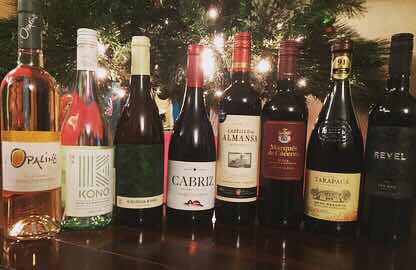
The week before Christmas some of my colleagues and I participated in a Reverse Wine Lottery, and our team placed second! Each of us took home 8 bottles. Originally, I was going to post my reviews of each of mine on Instagram (Follow me on IG: @thewineconcubine) using the hashtag #EightCrazyNightsofWine, but in true fashion, I only posted my tasting notes of 4 bottles there. My tasting notes from 3 of the remaining 4 bottles:


My loot from the Reverse Wine Lottery

1.  Cabriz Colheita Selecionada Tinto, Dao DOC, Portugal: Aromas and flavours of dried red fruit and toasted hazelnuts intertwined with bright acidity, fine-grained tannins and a smooth finish. Lighter in body than some other reds from Portugal makes this wine great to drink on its own. This wine is priced around $20 CDN, excellent for weeknight sipping!

2. Guinea Fowl Chenin Blanc 2016, Stellenbosch, South Africa: Notes of underripe apricot, pineapple and a hint of ginger leading into a zesty citrus finish. Crisp acidity, dry with a subtle hint of sweetness. Very expressive in style of South African Chenin Blanc and another great value for sipping on its own or pairing with lighter dishes like grilled seafood.

3. L'Opaline Rose 2017, AOC Coteaux Varois-en-Provence, France: A very pale salmon colour in the glass, reflecting a very light, crisp mouthfeel on the palate. Bright and crisp acidity, with abundant citrus flavours, steely minerality and the slightest hint of baking spice on the bright finish. Best enjoyed on its own-would be great on a hot day!

Now that the temperatures here have plummeted into a Siberian deep freeze, I plan to spend the next week tucking into some red wine blends to help keep me warm this week.

Cheers!


Sunday, January 5, 2020

My Top Wines of 2019

Happy New Year - and decade, everyone!

I found myself reminiscing over the entire decade as 2019 drew to a close. If I could sum up my twenty-teens in one word, it would be passion. I found so much of it within the past 10 years:

January 2010 - Started a new day job position in Airport Operations - Airside Services. This spawned my passion for aviation and the behind-the-scenes magic of airfield operations that continues to this day. I would remain in this position for 8 years.

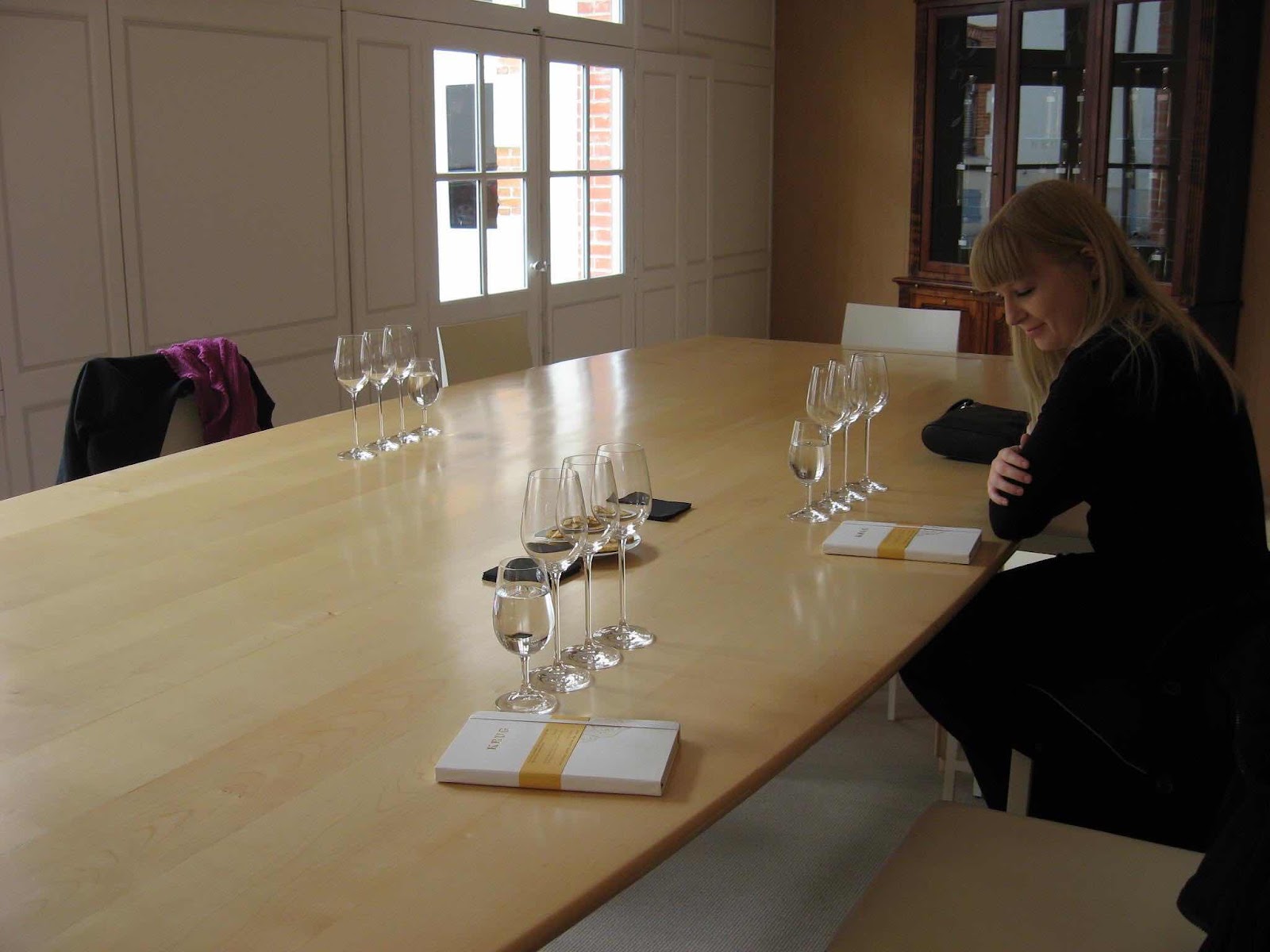
March 2011 - My husband and I travelled throughout France and tasted our way through the Bordeaux, Chateauneuf-du-Pape and Champagne regions. While there, I learned about the WSET courses, as well as tasting the legendary Krug Clos du Mesnil vintage 1998 Champagne, kicking off my passion for wine and the deep desire to learn as much about it as I can. This photo was taken minutes before my first sip:


Feb 2012 - My first daughter was born. Although it was tough at times to adjust to life with a newborn at first (no one can truly prepare you for your firstborn IMO!), I experienced a deep love like no other for this beautiful human that we created.

July 2013 - Took WSET Level 3/Advanced. My course instructor made it very clear to me that she felt I didn't deserve to be there as I didn't work in the industry and that I hadn't tasted enough great wine. Her treatment of me in the course motivated me to make a name for myself and further fuelled my desire to prove her wrong. I passed WSET with distinction and re-branded myself in 2014 as the Wine Concubine, a blog that she apparently knows about. What that means, I don't know, but I consider my goal here as completed.

December 2015 - My second daughter was born and I spent 2016 on maternity leave from work to be with her, and I truly enjoyed every second of that year! My passion for my children grew immensely and I can't imagine my life now without my children in it.

August & October 2018 - Quite possibly the biggest year of growth for me in my entire life. Internal corporate restructuring forced me to leave the job I loved deeply and transfer to a new position within the company. Before the position transfer occurred, my husband and I jetted off to Europe to explore the Pfalz, Ahr and Alsace wine regions. Alsace is my go-to region when I'm drinking whites and Cremants, and getting to be in the heart of the region deepened my passion for wine and travelling to as many regions as possible on my own Bucket List.
On October 9, I started in my new position within the airport terminal and develop a new passion; not only for helping make our airport be the best it can be for our passengers, but also to grow my own career and chase a project management designation in 2020! 

Now to 2019's Wines of the Year! Since 2013, I've been putting together a list of my personal favourite wines tasted within the past year. It's a good way for me to remember my favourites, and perhaps you find some new wines or food & wine pairings on my list to try. Here we go:

Top Red Wines

As my tasting journey continues, I've found that the average price I spend on a bottle of red wine has increased quite a bit. On any given day I find myself spending $30-$35 CDN/bottle on reds, and this list includes bottles that exceed that price point. They are, however, worth the splurge! Australian Cab Sauvs have been stealing my heart as of late and the Bleasdale retails around the $20 price point!    

1. Abbazia Santa Anastasia Litra - Sicilia IGT, Italy

2. Domaine de Beaurenard - Chateauneuf-du-Pape AOC, France

3. Domaine Jacques Prieur Beaune-Greves Premier Cru - AOC Burgundy, France

Honourable Mentions

1. Wynn's Black Label Cabernet Sauvignon - Coonawarra, Australia

2. Bleasdale Mulberry Tree Cabernet Sauvignon - Langhorne Creek, Australia

Top Whites

This year seemed to be the “Year of the White Wine” as the list of my most memorable whites almost tripled the list of my Top Reds! These wines are also easier on the wallet than the reds above, ranging in price from $20 CDN (Nk'Mip) to $40 for the Eden Valley and Rioja offerings.

1. Penfolds Bin 51 Eden Valley Riesling - Eden Valley, Australia

2. Conde de los Andes Blanco - Rioja, Spain

3. Domaine Eugene Meyer Riesling - AOC Alsace, France

4. Nk'Mip Pinot Blanc - VQA Okanagan, Canada

Top Sparkling Wines

You are reading this correctly, I ranked an Alsatian Cremant ahead of an authentic Champagne! I have been very vocal online about my belief in the quality and value of the Cremants from other French regions; taste them yourself side by side to see what your palate thinks! 

1. Domaine Gustavo Lorentz Cremant d'Alsace Brut - Alsace, France

2. Moet & Chandon Champagne - AOC Champagne, France

3. Naveran Cava Brut, Vintage 2016 - Spain

Top Values

White wines swept the category this year. So many great values to be had, ranging from an off-dry blend to complex, full-bodied whites. I encourage those of you who swear to hate white wines to give some of these a try!

1. Domaine Hugel Gentil White Blend - AOC Alsace, France

2. Amalaya Torrontes-Riesling - Salta, Argentina

3. Fairview Cellars “Goats do Roam” White Blend - Western Cape, South Africa

4. Kono Sauvignon Blanc - Marlborough, New Zealand

Top Food and Wine Pairings

The Okanagan wine region in Canada produces outstanding food-friendly wines that pair extremely well with local dishes and this list truly reflects that. Hopefully one day the rest of the world will get to know these wines; for now, I recommend you visit both Alberta and British Columbia to see our natural beauty, Canadian hospitality, unique local food, and exquisite wines.

1. Laughingstock Syrah with Elk Striploin Steak (Okanagan, BC)

2. Schramsberg Blanc de Blancs Brut with Goats Cheese Gougeres (North Coast, California)

3. Bernard-Massard Cuvee de l'Ecusson Brut Rose with Spring Parmesan Frittata (Moselle, Luxembourg)

4. Wild Goose Vineyards Gewurztraminer with Roast Turkey (Okanagan, BC)

Wineries of the Year

I like to recognize the wineries that interact with their followers on social media, as well as produce quality wines. After almost a decade on social media, I find this is still the exception rather than the rule. These wineries do an excellent job of both:

1. J. Lohr Wines - Paso Robles, California. IG and Twitter: @jlohrwines

2. Wild Goose Vineyards - Okanagan Falls, BC, Canada IG: @wildgoosewine 
Twitter: @wildgoosewines

3. Vino Montefioralle - Tuscany, Italy Twitter: @MontefioralleWi  Facebook: Here

So what's next for 2020? I'm excited to announce a new format coming to my blog posts. I found that writing essay-style long articles was becoming less enjoyable for me to write. The new format will consist of 3 mini-segments in each post, which will hopefully allow me to write more frequently. 
Stay tuned!

Wishing you all the best in the year - and decade - ahead! May your glass be full of good wine, and your heart be full of happiness and joy. Cheers! 

Friday, June 28, 2019

Eh! Syrah, Syrah!

I'm a proud Canadian. What's not to like about living here: thousands of kilometres of natural beauty from coast to coast, we make 80% of the world's supply of Maple Syrup, we dominate each Winter Olympics in medals - and hey, for you believers, Santa Claus lives here ;)

Canadian wines are no exception to this list above. Although they aren't found widespread out of the country, our wine regions grow and create wines from a multitude of varietals, some of which are Chardonnay out of the Niagara region (where the annual International Cold-Climate Chardonnay conference, i4C, is held), Gewurtztraminer out of the Okanagan, and the sweet wines vinified in Quebec. In this post, I'm going to focus on the rapidly-growing popularity of Syrah in the Okanagan region.

British Columbia's vineyards are fairly young when it comes to the wine world; the first vines were planted in the early 1860s in order to make wine for the first settlement in the area. It wasn't until the mid-1970s, when experimental plantings of Merlot, Chenin Blanc, and other international varietals occurred, that diversity in the vineyards took off. Syrah plantings began shortly after, marking the oldest vines in the area at or under the age of 40 (like me!). The Syrah vines flourish best in the southern sub-regions of Oliver and Osoyoos due to higher average temperatures required for ripening; however, successful Syrah wines are also found north of Penticton on the Naramata Bench and in the Okanagan Falls regions.

Image from Okanagan.com. The Naramata Bench wine region is located Northeast of Penticton.


Laughing Stock Vineyards Syrah 2011 contains an ever-evolving flavour profile that includes stewed red cherries, cinnamon, and a hint of black licorice. A well-structured body of racy acidity and silky-smooth tannins lead into a finish that speaks to its oak aging. This wine is an excellent accompaniment with grilled game - we paired it with Elk striploin steak and were not disappointed!


Also located on the Naramata Bench near Laughing Stock is Hillside Winery. Their 2015 Syrah is bold up front, with focused acidity and muscular tannins. The body becomes more smooth and lush mid-palate, while maintaining complexity of flavour throughout. Notes of black plum and fresh raspberry evolve into a graphite finish. I consumed on its own; however, would be a wonderful accompaniment to aged cheddar.


Further south into the Osoyoos Region, Moon Curser's Syrah 2015 is brighter in style, with lively acidity and a smooth, clean finish. Notes of ripe plum, ground black pepper, and a hint of cloves create an expressive, succulent mouthfeel alongside lively acidity and velvety tannins. This Syrah is versatile enough to enjoy with a variety of foods, but is light enough that it can be enjoyed on its own.


Finally, the 2013 Painted Rock Estate Winery Syrah is composed of fine-grained tannins, a rich mouthfeel, notes of dried cranberry, red cherries, and a smoky cedar finish. Unfortunately, it fell a little flat despite decanting for almost 2 hours prior to tasting. I suspect I let this sit in cellar too long. With all of that said, the link above is for their 2016 Syrah and this newly released vintage will be easy to enjoy!

I found it intriguing to note that the majority of these wines expressed flavour profiles that differ quite a bit from the telltale flavours of Syrahs, but those wines all exhibited similar notes and structure to eachother - perhaps this is the Okanagan style developing! 

There are so many reasons I love Canada, and I am proud and grateful to get to live here, enjoy breathtaking landscapes, eat Canadian food and drink Canadian wine. I’m excited to see what the future has in store for all of our wine regions, and as time goes by, the future of our own unique style. 

For those of my readers in the USA, a happy early Independence Day. And for the proud Canadians everywhere, Happy Canada Day! May you celebrate by enjoying all that our beautiful country has to offer! 


Saturday, April 6, 2019

A Romance with Rioja

I am in love with Spanish wine, especially Rioja.

This isn't the first time I've shared this sentiment, and I'm sure it won't be the last time, either! Wines from Rioja reflect high quality and craftsmanship, while offering accessibility for all wine lovers at reasonable prices. 

On Thursday, February 21, I was fortunate enough to attend a Wines of Rioja reception in preparation for one of Calgary's largest annual wine festivals, aptly named Winefest. Winemakers and Rioja representatives came together to share their passion and knowledge of this prestigious region with local wine media, writers and bloggers such as myself. Here are my personal standout wines of the tasting:


The Conde de los Andes Blanco 2015 is composed entirely of the Viura varietal. An intriguing vibrant gold colour in the glass, melon and vanilla aromas invite you in to a complex palate that also offers notes of kiwifruit, fresh pear and a hint of white blossom. The tannins are fine-grained and well integrated, with mouthwatering acidity leading into a long, bright finish. This is a stunning sipper that would marry well with a wide variety of savory foods, and has the potential to age in cellar for 5-10 years.


The Valserrano Rioja Reserva 2012 carries a bouquet abundant with red fruit, molasses, and hazelnuts into a body consisting of prominent yet velvety tannins and a smooth, rich body. The uncompromised quality and care the family takes in crafting their wines is clearly evident with each sip. 


The true highlight of the reception was the CVNE Imperial Rioja Reserva 2014. This stunning treasure boasts a lush, full body, silky-smooth tannins and racy acidity, combined with flavours of red currants, plum and black olives. The finish is long and sultry, with a hint of baking spice. Pairs well with a myriad of cheeses and charcuterie, but also fantastic on its own!

The wines I tasted that fabulous, fun February evening reaffirm my love for Spanish wines, and the memories of this wonderful experience will last well into the future. Rioja wines are an excellent choice to bring to a dinner party, curled up in front of the fire on a cold night, or even on a weeknight after a rough day at work! To learn more about the Rioja wine region, its terroir and upcoming events in your area, please visit https://us.riojawine.com/en/

Special thanks to Tiffany Pence, Dhane Chesson and Ana Fabiano for their wonderful hospitality and passion for sharing Rioja wines with the world.

Cheers!

Wednesday, January 30, 2019

My Top Wines of 2018

Happy New Year's everyone!

2018 was another year of struggling in my "day job" career at our local airport. Internal company restructuring forced me to move positions in the early Autumn. Although I have now settled into my new position, and have integrated myself well into my new department, there will always be a place in my heart for the position I came from.

With all that said, the true highlight was spending my last few weeks of summer in Europe! We travelled through the Pfalz, Alsace, and the Ahr wine regions, soaking in the view of sun-kissed vineyards, tasting everything we could get our hands on, and indulging in the local dishes that pair so spectacularly with those wines. You can read about my European adventures here and here. Other highlights include attending my first media event, a lunch with winemaker Gerard Bertrand of the Veuve Clicquot champagne house, and my first ever collaboration, a blog post on bcwinetrends.com about one of my favourite wineries in Okanagan region, Moon Curser Vineyards.

Every year since 2013, I've dedicated my first post of the new year to sharing my favourite wines from the previous year. The categories haven't changed as I've decided to keep both the "Social Media Wineries of the Year" and "Wine Bloggers to Follow" lists. There are so many excellent resources out there to learn from!

Top Red Wines of 2018

Sadly, the majority of my top red wines this year came from aging in my cellar, so the actual vintages themselves may not be widely available. However, I do encourage you to try any of these reds should you find any on your local store shelves. Price points range from $30 - $50 CDN, and worth every penny!

1. Domaine Barville "Brotte" 2009: Chateauneuf-du-Pape, France

2. Campo al Mare Bolgheri 2007: Tuscany, Italy

3. Stargroves Petite Sirah 2008: Paso Robles, California

4. Bench 1775 Cabernet Franc 2014: Okanagan, BC, Canada

Top White Wines of 2018

Riesling dominated my white wine consumption for the year, what with travelling to the heart of Riesling country and all! Three of the top 4 wines are of this versatile varietal, with a sleeper hit from Australia mixing it up. Most of these wines are priced between $20 and $35 CDN, with the St. Urbans-Hof priced around $60 CDN, and so worth it!

1. St. Urbans-Hof Bockstein Spatlese Riesling 2011 - Mosel, Germany

2. Tawse Sketches Riesling 2015 - Niagara Peninsula, Ontario, Canada

3. Three Sisters Bench White 2016 - Okanagan, BC, Canada

4. Tahbilk Marsanne 2016 - Australia

Top Rose Wines of 2018

I spent a lot more time quaffing on rose this past summer than I have in the past. Rose all day, am I right?! The unofficial king of Rose wines, Cotes du Provence, made an impact on my list; however, the top spots went to the New World for their lush and concentrated offerings. Price points range between $18 and $32 CDN, making these gems affordable any time of year! 

1. Belle Glos Pinot Noir/Blanc Rose 2016 - Sonoma, California

2. Sperling Vineyards Pinot Noir Rose 2016 - Okanagan, BC, Canada

3. M. Chapoutier Belleruche Rose 2016 - AOP Cotes du Rhone, France

4. S de la Sablette Rose 2016 - AOP Cotes du Provence, France

Top Sparkling Wines of 2018

It was a French sweep this year thanks to my #cremanttourdefrance journey in the late spring/early summer. Although the JL Schwartz cremant is not widely available, the rest are priced between $25 and $65 CDN.

1. Champagne Taittinger - Reims, France

2. Domaine JL Schwartz Cremant d'Alsace Chardonnay - Alsace, France

3. Champagne Pommery Extra Brut - Reims, France

4. Chateau Langlois Cremant de Loire Brut - Loire Valley, France

Top Value Wines of 2018

I fell in love with my top value wine as soon as I tasted it; in fact, it's become one of my go-to white wines when I need a weeknight bottle or a patio sipper in summer! All 4 of these picks are worth tasting if you haven't already done so, and will only cost you $25 CDN or less!

1. Willm Pinot Blanc 2016 - AOP Alsace, France

2. Chateau Tanunda Grand Barossa Cabernet Sauvignon - Barossa Valley, Australia

3. Chateau Ste Michelle Riesling 2016 - Columbia Valley, Washington

4. Bodegas Corihuela 1884 Malbec 2016 - Mendoza, Argentina

Top Food and Wine Pairings of 2018

The Pinot Noir varietal shows up in 3 of the 4 top wines in this category as it is such a food-friendly wine! This year's top pairings isn't very vegetarian-friendly, but the JJ Adenauer and Burrowing Owl wines would work just as well with vegetarian alternatives like a "beyond meat" burger or veggie flatbread. The JJ Adenauer isn't widely available in Canada (just yet, anyways...I've heard rumours...), but the others are worth the splurge at prices between $30 and $60. Your taste buds will not be disappointed!

1. JJ Adenauer Spatburgunder 2017, paired with Pancetta & Onion "Flammkuchen" (flatbread)
Ahr Valley, Germany

2. Veuve Clicquot Extra Brut Extra Old, paired with Pork Hock over Apricot Press
AOP Champagne, France

3. Burrowing Owl Pinot Noir 2015, paired with Caramelized Onion & Mushroom Burgers
VQA Okanagan, BC, Canada

4. Famille Perrin "Les Christins" 2015, paired with Sirloin Beef Roast
AOP Vacqueyras, France

Wineries of the Year

This category is dedicated to wineries that not only produce quality wines, but also regularly interact with their social media followers. Make sure to like and follow these wineries, and if you happen to see their wines in your local store, why not pick up a bottle for your next quaff?

1. Dr von Bassermann-Jordan: Pfalz, Germany

2. Champagne Taittinger: Reims, France (link above in Top Sparkling Wines List)

3. Hess Winery: Napa Valley, California

Wine Bloggers to Follow
This is my list of must-read (or watch) bloggers that I've started to follow in the past year. Each blogger on this year's list represents a specific wine region, with a youtube vlogger that focuses on value wines rounding out the list.

1. Grapevine Adventures - Katarina, a native from Sweden, moved to Italy and travels the country, exploring all the food and wine that makes Italy the gastronomic powerhouse that it is today. She also gravitates towards some of the wines and regions "off the beaten path", and I have learned so much more about Italy from her than what I have learned in books and other blogs so far!

2. VinoSocial - Nancy Croisier, a native Washingtonian, shares her passion for Washington wine in all of her blog posts. She also creates recipes that she pairs with the wines she reviews, and they are must-tries in your kitchen! Pair this with a friendly & knowledgeable writer, and you have a recipe for success!

3. Jordan Estate Winery - This is by far the most all-encompassing blog I have ever seen created and run by a winery! Jordan Estate covers it all with categories including "Out and About", "Behind the Scenes", "Photo Essays", and more! Posts are uploaded regularly, with notifications sent out on their social media pages to keep you well-informed.

4. Wine on the Dime - Do you prefer to watch vlogs over reading blogs? Wine on the Dime is by far my favourite vlogger to follow. Stuart shares his passion for finding excellent value wines ($15 USD or less), with a quirky twist here and there. Most of the videos are 5 minutes or less for those who prefer shorter wine tasting videos (like me), and there are many great recommendations with a ton of videos found on his channel!

Let me know what you think if you try out any of these wines, and feel free to share any you loved most in 2018 in the comments. I'm always open to new suggestions!

Cheers!

Saturday, December 15, 2018

Falling for Napa Valley Cabernet Sauvignon

Autumn is now giving way to winter in the majority of the northern Hemisphere, with some localities having already seen snowstorms! After surviving a record-breaking Snowmageddon in early October, our area has by and large enjoyed a comfortable fall season.

It is right around this time that a good chunk of winelovers everywhere, myself included, start to focus their palates on red wines again. In the past, I've gravitated towards Italian Reds and Spanish Riojas. This year, I decided to focus on the Cabernet Sauvignons from Napa Valley; specifically, the 2014 and 2015 vintages.

Although Napa Valley can trace their winegrowing history as far back as the late 1600s, it wasn't until the 1960s, when an abundance of vines were planted in the valley, that winemaking really surged. After the successful wins in the Judgement of Paris in 1976, the region became highly regarded and esteemed as one of the top wine regions in the world. Bordeaux varietals rule the valleys and surrounding mountain slopes, with Chardonnay and Sauvignon Blanc white wines crafted here as well. Bottle prices tend to soar here due to the high cost of land and grapes, the prestige of the region, and with extensive care taken in the winemaking process to ensure the highest quality wines. 


1. Robert Craig Cabernet Sauvignon Napa Valley 2014
Although this beauty is composed primarily of Cabernet Sauvignon, a blend of 10% Merlot, 8% Petit Verdot, 4% Cabernet Franc and 2% Malbec joined in the fun. This created a big, bold, well-structured wine abundant with flavours of dried currants, blueberries and a hint of smoke towards the long, lively finish. Bright acidity and supple tannins make this wine approachable now, with the potential of aging another 5-7 years, at minimum. Pair this with your next ribeye or baseball steak!


2. St. Supery's 2014 Cabernet Sauvignon boasts muscular but focused tannins, and powerful acidity that smooths out during the long, bright finish. I found lots of red fruit flavours here: red currants and cranberries, changing to red licorice and charred oak notes mid-palate. This Cabernet Sauvignon is very approachable on its own but would also pair well with a variety of foods like charcuterie, cheese, and barbecue.


3. Hess Collection's "Allomi" Cabernet Sauvignon 2015 shows a beautiful, deep purple colour in the glass. The mouthfeel is very smooth and lush, with notes of black currant and vanilla hints wrapped around velvet tannins. This was my personal favourite of the tasting, and was very much enjoyed by my "wine tasting squad"as well!

One final Napa Valley Cabernet Sauvignon that is worth trying, is Freemark Abbey. I tasted their 2011 vintage last year, and it also blew me away! Tasting notes here.

Any of these beauties are worth the splurge and would be a wonderful addition to your Christmas table, whether you pair it with prime cuts of beef, a charcuterie and cheese platter, or enjoy them on their own in front of a roaring fire. After all, everyone deserves to treat themselves over the holiday season!

This will be the last post of 2018 for me. Thank you to all who take the time to read and share my posts; it means a lot to me. Merry Christmas and Happy Holidays to you and yours, from "me and mine"!


Monday, October 15, 2018

Cremant Tour de France Final Stage: Cremant de Bourgogne

Summer has now left Alberta and replaced it with a record setting 32.8cm snowfall on October 2! YUCK! Now that my palate is naturally craving the warmth of red wine, it's time to wrap up my Cremant Tour de France mini-series. The last stop? Burgundy.

Burgundy 's homeland grapes are the same as the varietals required for crafting Champagne: Pinot Noir and Chardonnay. In fact, the Cremant de Bourgogne appellation takes their vinification seriously: only hand-harvesting the grapes, utilising the same pressing process as in Champagne, and you must declare your production of Cremant in March, just before the growing season begins! The fruits of these labors are evident in the glass: elegantly structured, refined in style, and punches well above their weight when it comes to QPR!


I kicked off the warm weather season this year with Henri de Villamont Brut Blanc de Blancs. Composed solely of Chardonnay, this wine boasted abundant autolytic flavours of toasted hazelnuts and brioche, with an appealing hint of banana custard towards the long finish. Bright and lively mouthfeel, I enjoyed it immensely on its own!


The Bailly Lapierre Cremant de Bourgogne contains an intriguing blend of Pinot Noir, Chardonnay, Aligote and Gamay Noir, creating a palate of green apple, stony minerality, and freshly baked bread. Surprisingly delicate bubbles, but a bright acidity and citrus finish keep a well-structured balance. An excellent choice for weeknight bubbly!


The final bottle of my Cremant Tour de France was the same as my first glass ever of Cremant: Louis Bouillot Rose. Prominent notes of strawberries, raspberries and mandarin oranges, refreshing acidity, a bright mouthfeel and a true joy to sip! I prefer to enjoy this gem on its own-over, and over, and over again!

I truly enjoyed tasting my way through the Cremants of France, no matter what appellation they are from! They are an excellent alternative to Champagne when you don't want to spend a fortune, and pair extremely well with an array of food. The next time you feel like imbibing in bubbly, why not give a Cremant a try? You won't be disappointed.

I would love for you to share your Cremant tastings with me, either by commenting on this post or through the hashtag #cremanttourdefrance on twitter. I hope you enjoy your sips as much as I enjoyed mine.

Until next time, cheers all!

Monday, October 1, 2018

Cremant Tour de France Stage 3: Alsace

Now that Stages 1 & 2 of my Cremant tour de France are complete, I celebrated Stage 3 by tasting my way through the Cremants of Alsace, in person! 

Located on the eastern border with Germany, Alsace contains 15,621 hectares of vineyards. (Source: backinalsace.com). Approximately 23.3% of grapes harvested from the vineyards are used to make Cremant d'Alsace bubbly. In 2017, 32,125 bottles of Cremant wine were made, 80% of which remained in France due to domestic demand! 

Our first stop along our tasting journey was Domaine Klipfel, in the small town of Barr.


The estate was founded in 1824 by Martin Klipfel. In 1830, he procured the prestigious Clos Zisser vineyard, which is used today for their Vendage Tardive (late-harvest) and Selection de Grains Nobles (grapes affected by "Noble Rot", botrytis, made into lusciously sweet dessert-style wines). Klipfel crafts their Cremants in the Methode Traditionelle style, using Chardonnay and Pinot Noir either as single-varietal bottles, or a mix of the two.


Klipfel's Blanc de Noirs Cremant d'Alsace opens up with a nose of green apples and continues into a palate of lemon zest and steely minerality. The bubbles were aggressive up front, but settled down into a creamy mousse mid-palate, leading into a clean finish.

I am all about the high quality and the unique, sometimes extraordinary quality that comes from smaller, lesser-known producers. Located in the small Alsatian town of Heiligenstein, Domaine J.L. Schwartz lives up to this quality!


Our tasting at J.L Schwartz started off with their Cremant d'Alsace Brut Rose. A lively bouquet composed of strawberries and navel oranges, intertwines with refreshing acidity and delicate mousse on the palate to create a delightful mouthfeel. Unfortunately, the finish dropped off rather quickly, but it did make me want to take more sips quicker to compensate!   


The standout Cremant of the day for both my husband and I was the Brut Chardonnay! The varietal's flavour profile is well represented here, with an intriguing blend of underripe banana and navel oranges along with stony minerality. There is a lively mouthfeel that doesn't overpower, full of delicate mousse and refreshing acidity. Very elegant in style, and very approachable!


Our day of Cremant tasting ended at Domaine Julien Dopff au Moulin. Regarded as one of the pioneers of Cremant d'Alsace, Julien Dopff attended the Universal Exhibition in Paris in 1900, where he learned about "Methode Champenoise". He made it his mission to experiment with Alsatian varietals, and Dopff au Moulin now dedicates a considerable amount of their wine portfolio to Cremant d'Alsace bubbly.

The Dopff au Moulin Rose expresses more autolytic notes than other Cremants d'Alsace I have tasted. But it doesn't overpower the abundant flavours of underripe red fruit on the palate, the creamy mousse, or the bright acidity. Very well-structured and refreshing!


Finally, the 2013 Blanc de Noirs Brut marries notes of dried red fruit and toasted almonds with crisp acidity and aggressive, but not off-putting mousse. Very elegant in style, and very food-friendly.

Cremant d'Alsace offers a variety of sparkling wine created in the Methode Traditionelle, yet can also express a wide array of flavour profiles. There are many excellent Cremants available throughout the world, and even though only 20% of all bottles are exported, you will likely find a variety of Cremants available in your local wine stores.

Stay tuned as I wrap up my Cremant Tour de France later this month with Cremant de Bourgogne!    


Wednesday, September 5, 2018

A Tour & Tasting at Weingut Geheimer Rat Dr. von Bassermann-Jordan


Deep in the heart of the Pfalz wine country, located just off the famous “Weinstrasse” (wine street), a 300 year-old estate watches over the nearby vineyards in anticipation of the upcoming harvest. The Weingut Geheimer Rat Dr. von Bassermann-Jordan has created a legacy of internationally acclaimed Rieslings within a small town called Deidesheim. I was fortunate to receive a tour and tasting at the estate with Sebastian Wandt, Sales Manager, in late August.


Our tour started with a drive into the vineyards where Bassermann-Jordan grows their grapes. The estate owns plots of vines within 10 "Erste Lage" (the equivalent to Premier Cru) and 10 "Grosse Lage" (Grand Cru equivalent) vineyards. This year was very hot, with little precipitation – very similar to the 2003 growing season. Harvest will be starting extra early this season; the week after my visit, in fact, to ensure the grapes are at optimum ripeness and to maximize concentration in the resulting wines. 

From there, we returned to the estate for a tasting. I was surprised to learn that Sauvignon Blanc is gaining momentum within the Pfalz region.


Bassermann Jordann’s Sauv Blanc is abundant with tropical fruits like underripe pineapple and passion fruit, alongside nuances of the traditional grassy notes towards the finish. Refreshing acidity and a clean finish make this wine perfect for those who prefer a more fruit-forward style of Sauvignon Blanc.

A drier style of Riesling is generally preferred within the community of the Pfalz, and this 2017 Deidesheimer Kieselberg Riesling represents this style well with racy acidity, and stony minerality mid-palate. Combined with a complex flavour profile of white peach, melon and a hint of tropical fruit, this is a must-try for anyone who loves dry Riesling!


My personal favourite of the tasting was the 2017 Deidesheimer Leinhole Riesling Spatlese. Incredibly fresh and clean, with ample stone fruit aromas, bright acidity and honeyed stone fruit leading into a long, lush finish. The wine is on the sweeter side as Spatlese means "Late Harvest", but not cloyingly sweet at all. This Riesling will pair extremely well with desserts like strudels and fruit pies, and is equally as delectable on its own!


From there, we journeyed into the cellar. Built in 1822, the cellar has expanded as the estate grew in both side and wine production. A full library containing wines of each vintage from 1880 onward is contained here, and is also fully functional with stainless steel tanks and aging racks for the winemaking process. 

Bassermann-Jordan's wines are widely available internationally and through North America and offer a wide range of Rieslings that will fit your palate, as well as other varietals including Sauvignon Blanc, Spatburgunder, even Sekt! Special thanks to Sebastian for the tour and tasting. I wish Bassermann-Jordann a successful harvest, and a successful vintage in their wines!

Cheers!


Thursday, July 26, 2018

Cremant Tour de France Stages 1 & 2: Cremant de Limoux & Cremant de Bordeaux

I really need to start blogging more often.

The Tour de France is almost over already, and although I won't be making it past an estimated stage 5 (pending the amount of Cremants I can find from the Loire Valley in my area), I feel like I am way behind. Life has been crazy hectic in the Concubine household for the past few months: my husband was studying for an exam he wrote in late June and I solo parented so he could focus on studying, and then a plethora of visitors visited the unofficial "Concubine B&B" (now that would be one heck of a name for a B&B!) for a few weeks afterwards. Now that life is calming down a bit, I finally have time to kick off my #cremanttourdefrance and share my tastings!

I decided to start Stage 1 in the Limoux AOP. Located 25km south of the village of Carcassonne, the climate here is influenced by cooling breezes from the Atlantic Ocean, and four varied terroir styles due to its proximity to the Pyrenees foothills. Limoux is also the birthplace of a grape varietal called Mauzac, which is credited to have created the first sparkling wine by the monks of St-Hilaire in 1531. Because of this, Limoux is best known for its sparkling wines. Cremant de Limoux bubblies are generally made using a blend of up to 90% Chardonnay and Chenin Blanc. Secondary grape varietals like Mauzac and Pinot Noir are allowed in the blend to a maximum of 20% (Pinot Noir is allowed up to 10%). Cremant de Limoux is vinified using "Methode Traditionelle", which means that a second fermentation occurs within the bottle, the same way official Champagne is crafted. 

One of the most prominent wineries to craft Cremant de Limoux is Domaine Delmas, located 20 minutes south of Limoux in the village of Antugnac. Their focus is on both Cremant and Blanquette de Limoux wines, but also vinify a still Pinot Noir and Chardonnay.


The Cuvee des Sacres Delmas is composed of Chardonnay, Chenin Blanc, Pinot Noir and Mauzac. Honeyed notes of banana, melon, and a hint of toasted almonds dance on the palate. The bracing acidity on this cremant, as well as the aggressive mousse, pairs well with rich cheeses and seafood in cream sauce. But don't let the intensity fool you; this gem is very approachable and easy to drink!

Limoux is also known for creating another type of bubbly named "Blanquette de Limoux". Blanquette wines are vinified from the Mauzac grape, with a bit of Chardonnay blended in. The wine is aged for 8 months on its lees in old oak barrels. 


The 2011 Cuvee Memoire Blanquette de Limoux also starts off with aromas of honeyed stone fruits, but the flavour profile changes to green apple, lime zest and a strong, steely backbone on the palate. Delicate bubbles (aka "mousse") and crisp, yet refreshing acidity round out the mouthfeel, leading to a strong finish. I enjoyed the Cuvee Memoire on a hot summer's evening, relaxing on my back deck. It was the perfect pairing!

From there, my tour traveled east to Bordeaux. Cremant de Bordeaux was established as an appellation in 1990. The wine varietals allowed in the blend are Sauvignon Blanc, Semillon, Ugni Blanc, Colombard, and Muscadelle, creating a more unique flavour profile than what can be found in other Cremant appellations.


And a very unique flavour profile was delivered with the Xavier Milhade Cremant de Bordeaux! A blend of Sauvignon Blanc, Semillon and Muscadelle, prominent floral aromas lead into notes of navel oranges and cantaloupe melon, encased in a mineral mid-palate. The acidity was racy, with delicate mousse. This wine was a treat for me as Cremant de Bordeaux wines are very hard to find in my location!

Now that I have cycled through the better part of Southern France, it's time to head north towards the Loire Valley. Stay tuned for Stage 3, in the coming few weeks!  

Cheers! 

Tuesday, May 29, 2018

A Tour of Southern Rhone Reds

In the spring of 2011, My husband and I were fortunate enough to tour and taste our way through Chateauneuf-du-Pape, Gigondas and Rasteau. From the moment I stepped into the vineyards of Chateauneuf-du-Pape, I immediately fell in love with the region.

Photo taken outside of Moulin de la Gardette's Tasting Room, Gigondas, March 2011.

There are so many reasons to fall in love with the Southern Rhone wine region of France: The Mediterranean climate, the history and architecture, the local cuisine, and of course, the wine! The Southern Rhone encompasses a large area of sub-appellations, as per the map below:

My apologies for the not-so-good photo, this was taken off of one of my wine posters hung in my basement.


My father is also a huge fan of Chateauneuf-du-Pape wines, but hasn't had a lot of experience with the other sub-appellations. So when he came for a visit in mid-April, we dipped into my wine cellar, pillaged one of our local wine stores, and performed a "taste-off" to see which sub-appellation(s) we liked best.


1. Famille Perrin Vacqueyras "Les Christins" 2015

Concentrated and complex, with notes of cranberries, red cherries, baking spice and a hint of the tell-tale fleshiness that Southern Rhone wines are known for (my WSET Adv teacher referred to them as "Chateauneuf-du-poop" because she's classy like that). Bright acidity and velvety tannins make this beauty very approachable. You could enjoy Les Christins on its own, but it also pairs spectacularly with heavier red meats like sirloin tip beef roast.


2. Chateau de Saint Cosme Gigondas 2015

I was fortunate enough to obtain 2 of the last bottles in my local area after this wine was ranked 5th overall on Wine Spectator's Top 100 List of 2017. Smooth and lush mouthfeel, consisting of red cherry, leather, cigar box and medicinal hints. The acidity is still fairly sharp but the tannins are soft and well-integrated into the body. This baby needs at least 1 hour in the decanter to open up, and she'll need a good 7 years minimum in the cellar, but still reflects the true flavour profile of a Southern Rhone red wine. My second bottle won't see the light of day for another decade, I'm excited to see how the wine develops!


The nose opens up to ripe blackberries and barnyard aromas. Ground cloves and a charcoal finish join the palate, along with focused tannins and mouthwatering acidity. Sadly, the charcoal finish falls off rather quickly. This wine did not speak to my palate, but my dad and husband thought it was decent! Definitely worth tasting.


This wine is showing its age with aromas of dried cherries and dried tobacco. However, the palate still shows bright acidity and a long, lively finish. A flavour profile that includes a hint of smoke and a charcoal backbone adds complexity and depth to the rich body. Absolutely stunning, and if you can find this vintage, worth the splurge (estimated price in CDN is $42).

There were a few other bottles we tasted from the AOC Cotes du Rhone and Rasteau; however, they did not make the short list for this blog post.

It was almost unanimous, but the surprising favourite of our tasting tour is...

Famille Perrin "Les Christins" Vacqueyras! 

Here is how we ranked our top 4 choices:

Sara's Rankings                                                                Dad's & Husband's Rankings

1. Domaine Barville CNDP 2009                                      1. Famille Perrin Vacqueyras 2015
2. Famille Perrin Vacqueyras 2015                                   2. Domaine Barville CNDP 2009
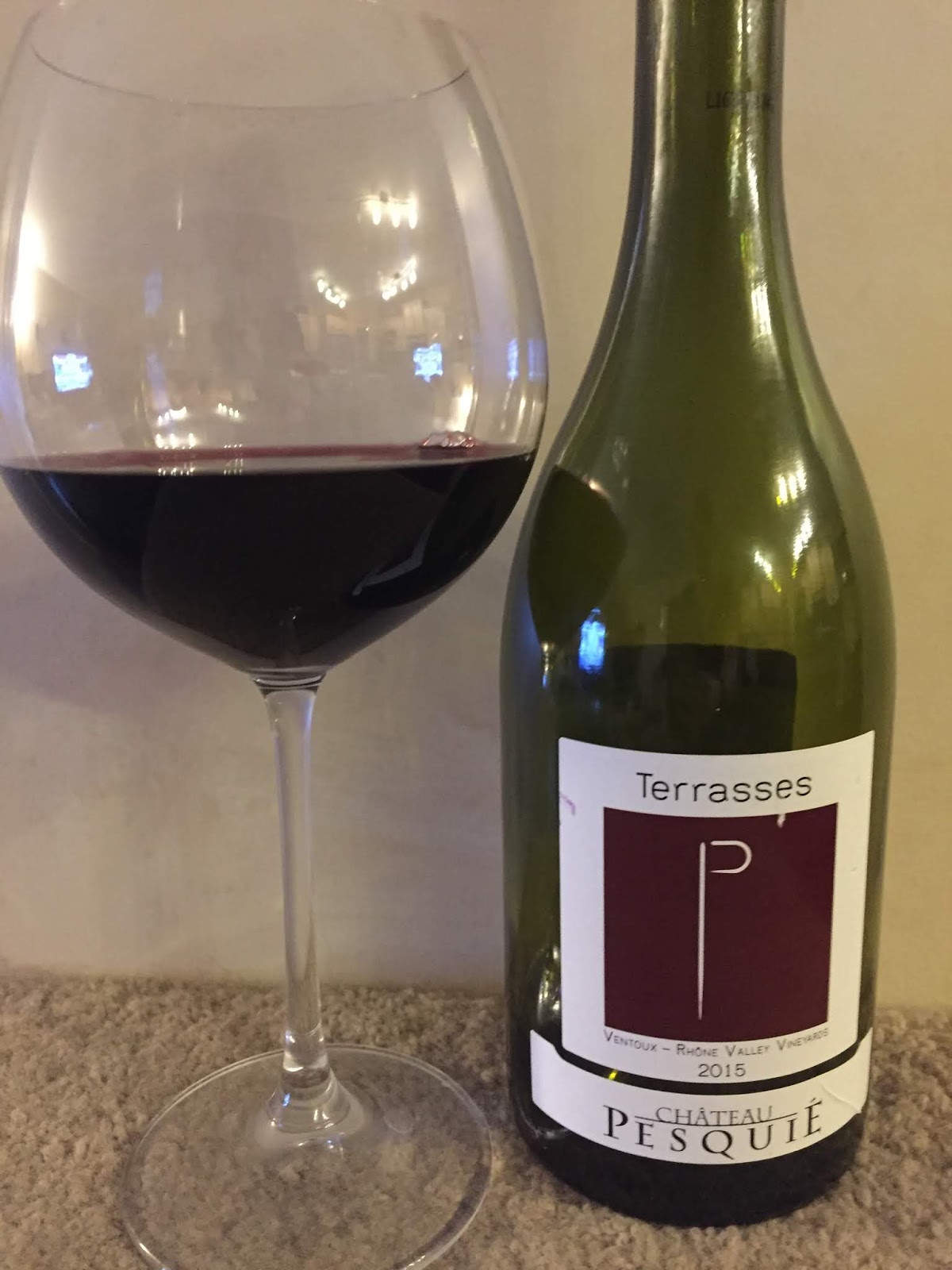
3. Chateau de Saint Cosme Gigondas 2015                    3. Chateau Pesquie Terrasses Ventoux 2015
4. Chateau Pesquie Terrasses Ventoux 2015                   4. Chateau de Saint Cosme Gigondas 2015

We may not return to the Southern Rhone anytime soon, but our fond memories of the region and our love for their wines will stay with us forever. And we can always buy more Rhone wines anytime we like!

So what's next for the Wine Concubine? It's time to start my major tasting project of the year; I'll be conducting a "Cremant Tour de France" over the next few months, ending in Colmar, France with Cremant d'Alsace! Stay tuned, up first is Cremant de Bourgogne!

Cheers!


Friday, April 27, 2018

The Expressions of Pinot Noir Through the Okanagan Wine Region

When I started my wine education journey, I was in love with Pinot Noir. Almost every wine I purchased was Pinot Noir. But as I began to learn about Burgundian wine, I realized that I couldn't afford most everything outside of AOC Bourgogne. I became frustrated and abandoned my love for Pinot Noir. In fact, I was so frustrated that I almost wrote a blog post about why Burgundy turned me off of Pinot altogether!

Some of the people I discuss wine with on Twitter (aka my "Tweeps") have been drinking a lot of Pinot Noir lately, much of it from New World regions like New Zealand and California. Their tasting notes inspired me to revisit more affordable Pinots, and where better for me to start than my personal favourite, the Okanagan region of Canada!

There are 7 sub-regions within the Okanagan Valley: Osoyoos, The Golden Mile Bench, Oliver, Okanagan Falls, The Naramata Bench, Peachland/Summerland, and Kelowna/Lake Country. Each sub-region reflects different nuances with respect to climate and terroir; therefore, the flavour profiles of Pinots from each sub-regions will likely express themselves differently. I set out to discover how each Pinot Noir expresses itself within most of these sub-regions. 


Located close to one of the only desert micro-climates in Canada, I was intrigued to see how the "diva grape" would fare in a terroir consisting of deep, sandy soils fed by glacial meltwater deposits. I was pleasantly surprised! Approachable yet complex and elegant in style, Burrowing Owl's 2015 Pinot Noir opens with notes of wild strawberry, dusted with hints of fresh herbs and baking spice. A silky smooth body leads into a bright cranberry finish. The wine was an amazing pairing with mushroom and garlic burgers with caramelized onions and wilted spinach!


Tasting notes contributed by Julian Park, BCWineTrends.com:
"This medium-bodied Pinot is as smooth as velvet. The estate Pinot Noir features delicate hints of ripe cherries and raspberries, vanilla bean, and the minerality distinctive to the high-altitude Okanagan Falls vineyard. Finished in Tuscan concrete tanks creating a textured savoury mouthfeel. My favourite pairing is with BBQ salmon. 13.5% alcohol."

3. Naramata Bench - Bench 1775 Pinot Noir 2014


A soil composition of lime-rich silt and cooling lake breezes on the Naramata Bench create an ideal climate and terroir for early ripening red grapes like Pinot Noir. Bench 1775 uses this to their advantage by crafting a refreshing and juicy Pinot, abundant with red fruit flavours and silky, fine-grained tannins. A small amount of Syrah (6.4%) adds in a spicy element, which you'll find from mid-palate through the lively finish. I enjoyed this Pinot on it's own, and plan to enjoy it again and again in the future!


4. Kelowna - Sperling Vineyards Pinot Noir 2015


Tasting notes contributed by Julian Park, BCWineTrends.com: 

"Alcohol 12.5%, pH: 3.68, TA: 5.3g/L. Hand harvested in October from Dijon clones 114, 777, and 828; sorted and co-fermented in small lots. After a gentle pressing, the wine was aged in large format barrels. This is a bold Pinot Noir, the result of the hot 2015 East Kelowna summer. Aromas of violets and jammy plum and flavours of ripe raspberries and spicy black cherries. The texture is silky." 

5. Lake Country - Ex Nihilo Pinot Noir 2016


The soil in the Ex Nihilo vineyards contain limestone with some shale, ideal for the growth of Pinot Noir grapes. Ex Nihilo's 2016 PN offering boasts complex aromas of red fruit, forest floor, and a hint of asparagus. These flavours continue into the palate, along with silky smooth tannins and refreshing acidity with a hint of zip. This acidity stays bright through the fresh raspberry finish. This wine is extremely food friendly and would be an excellent pairing with tapenade-stuffed pork tenderloin, among other earthy style dishes. I sampled this beauty at the winery last August. Click here to learn more about Ex Nihilo Vineyards, winemaker Jay Paulson, and their wine portfolio.

It was very interesting to discover that each sub-region shows a slightly different flavour profile on their Pinot Noirs, but the structural consistency and quality remains very high throughout the Okanagan wine region. Price points range between $30 and $40 CDN, but worth the slight splurge!
It's nice to know that I can still taste some excellent Pinot Noirs close to home with some great QPR.

So what's next for the Wine Concubine? I tasted a wide variety of red wines from the Southern Rhone throughout the past month when my dad came to visit. I'll be sharing our notes, and revealing our surprise favourite of the tasting. Stay tuned!

Cheers!


;